Peak-Season Ready? Black Friday, White Friday & Diwali
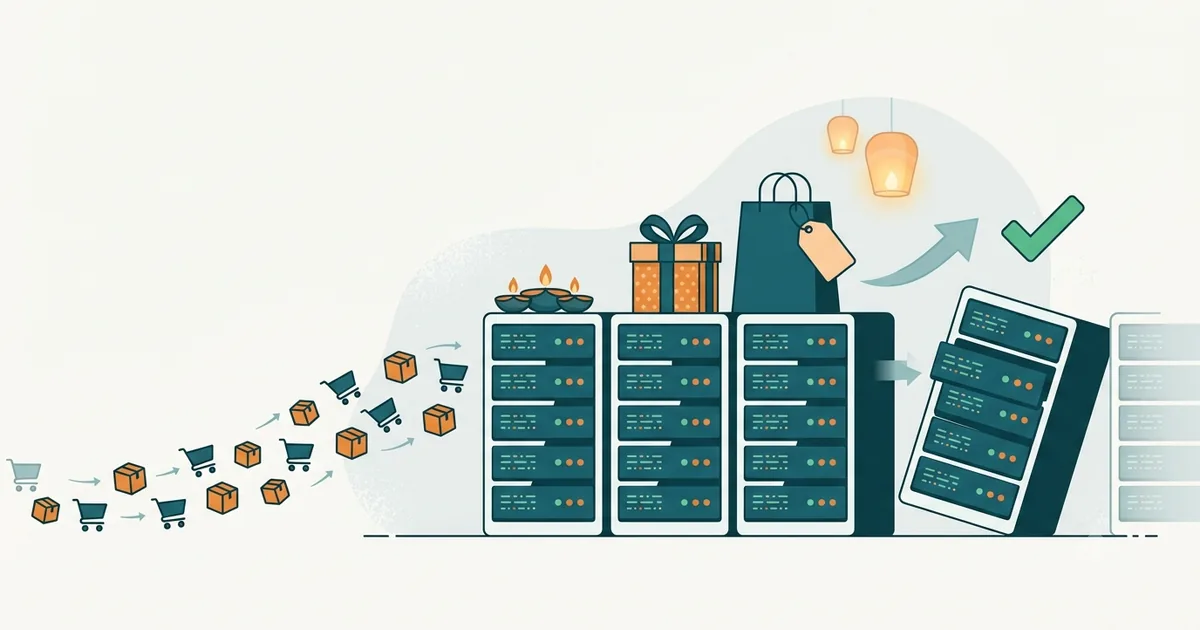
From Diwali in early November to Black Friday and White Friday at the end of it, the busiest weeks of the year now land in every region at once. Here is what breaks first under a sales surge, and a three-week plan to make sure it isn't your platform.
Peak season is now global
A decade ago, peak season meant one big weekend in one market. Today a startup selling in India, the Gulf, Africa and Europe faces four overlapping peaks within a few weeks, often with the same small engineering team.
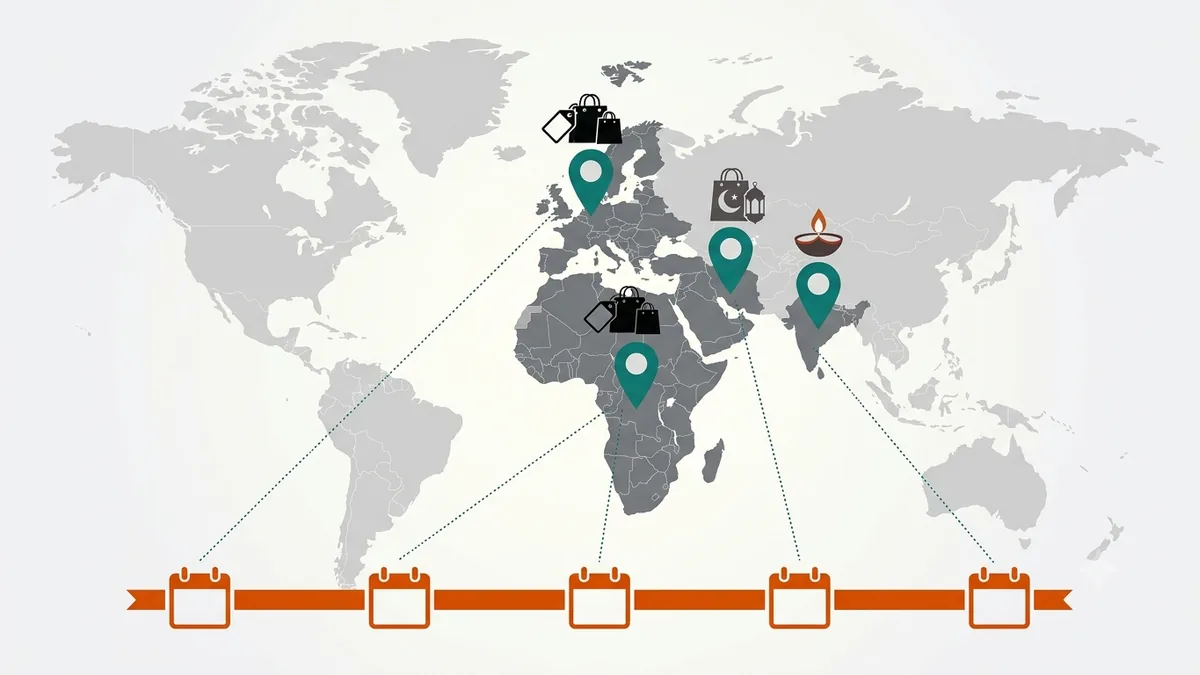
| Event | 2026 date | Where it hits hardest |
|---|---|---|
| Festive sales and Diwali | Sales through October; Diwali on 8 November | India and the Indian diaspora |
| Singles' Day (11.11) | 11 November | Global marketplaces and cross-border sellers |
| White Friday | Late November, usually aligned with Black Friday | UAE, Saudi Arabia and the wider Gulf |
| Black Friday | 27 November | Europe, South Africa, Nigeria and Kenya |
| Cyber Monday | 30 November | Europe and global online sellers |
| Year-end festive sales | December | Every region |
Retailers and marketplaces often stretch these into week-long campaigns, so confirm exact sale windows with your partners. What matters for engineering is simple: from late October to early December, you get very little quiet time to fix things.
What breaks first in a surge
In 26+ years of building platforms, I've rarely seen a surge take down the servers that teams worry about. It is usually something smaller and shared that gives way first.
- Database connections. Every new app instance opens more connections until the database refuses them. Adding servers makes this worse, not better.
- The payment gateway. A slow or rate-limited gateway turns into abandoned carts, duplicate charges and support tickets.
- Third-party APIs. SMS and OTP providers, delivery partners, tax and address services all have rate limits you never hit on a normal day.
- Login. If OTP delivery slows down, nobody can sign in to buy anything.
- Cache stampedes. When a popular cache entry expires, thousands of requests hit the database at the same moment.
- Background queues. Order confirmations, invoices and notifications pile up and arrive hours late.

The three-week readiness plan
Three weeks is enough time to find your weakest point and fix it, without rushing risky changes into production at the last minute.
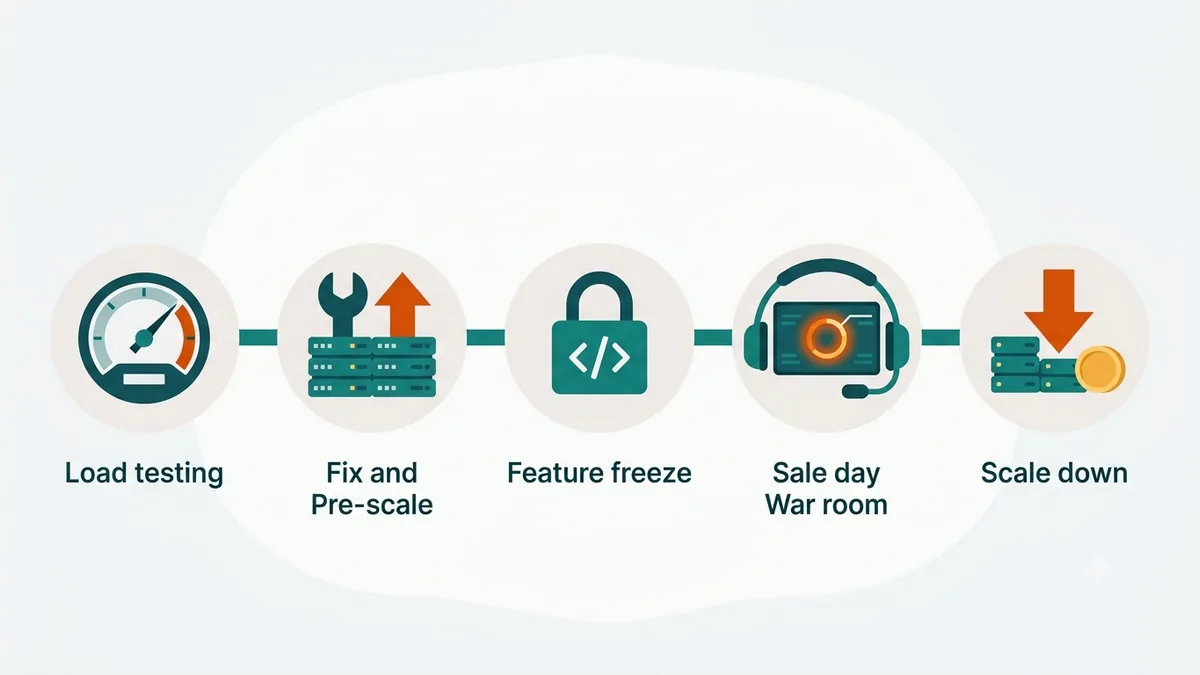
| When | Focus | Done means |
|---|---|---|
| 3 weeks out | Load test real user journeys | You know the first thing that breaks, and at what traffic level |
| 2 weeks out | Fix bottlenecks and plan capacity | The fixed system holds 2 to 3 times your expected peak |
| 1 week out | Feature freeze and runbooks | No new features; rollback and failover steps written and rehearsed |
| Sale day | Pre-scale and watch | Capacity raised before the sale opens; on-call team watching one dashboard |
| Week after | Scale down and review | Temporary capacity removed; lessons written up |
Test journeys, not endpoints. A realistic load test logs in, browses, adds to cart, applies a coupon and pays, in the mix your real users do. Hitting one API a million times tells you very little about sale day.
Scaling moves that actually help
Not every scaling technique is worth doing three weeks before a peak. These give the most protection for the least risk.
- Put static assets and product images on a CDN, so most traffic never reaches your servers.
- Cache hot reads in Redis: product lists, prices, store menus and search results, with staggered expiry to avoid stampedes.
- Pool database connections and add a read replica, so browsing doesn't compete with checkout for the primary database.
- Move slow work to queues. Confirm the order instantly, then send emails, invoices and push notifications in the background.
- Pre-scale before the sale opens. Autoscaling reacts in minutes, but a sale-start surge arrives in seconds, so raise the minimum capacity an hour before.
- Add kill switches. Feature flags that turn off recommendations, reviews or heavy search filters let you shed load without taking the store down.
Payment failover, by region
Your payment gateway is the one dependency you can't cache. If it slows down, revenue stops. A second gateway, and a rule for when to switch, is cheap insurance for the busiest week of the year.
| Region | Common primary and backup gateways to evaluate | What to check before the peak |
|---|---|---|
| Europe | Stripe, Adyen, Checkout.com; SEPA for bank payments | Strong Customer Authentication (3-D Secure) success rates under load |
| Middle East | Checkout.com, Tap Payments, Stripe (UAE) | Local card schemes such as mada in Saudi Arabia; Arabic checkout flow |
| Africa | Paystack, Flutterwave, PayFast; mobile money such as M-Pesa | Mobile-money confirmation delays; bank transfer fallbacks |
| India | Razorpay, PayU, Cashfree; UPI | UPI success rates at peak; OTP delivery for card payments |
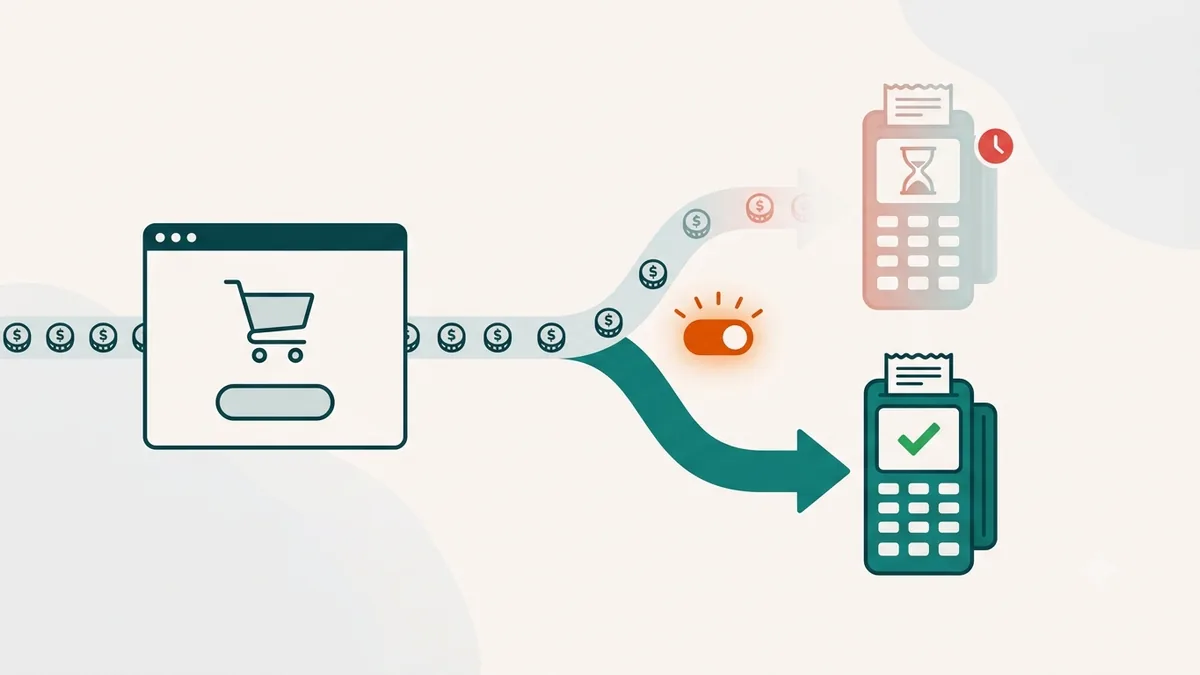
Make every payment call idempotent, so a retry never charges a customer twice. Then decide the switching rule in advance, for example moving new checkouts to the backup when the primary's success rate drops below an agreed level for five minutes.
Freeze, rehearse and staff the war room
Most peak-day outages I've helped clean up were caused by a change shipped the week before, not by traffic itself.
- Feature freeze one week out. Only critical fixes go live, each with a tested rollback.
- Write the runbook. Who switches the payment gateway, who turns on kill switches, who talks to customers.
- Rehearse a failure. Turn off a cache node or the primary gateway in staging and time the recovery.
- One dashboard. Checkout success rate, payment success by gateway, error rate, database connections and queue depth, on one screen.
- Staff for time zones. A sale that runs across India, the Gulf, Africa and Europe needs on-call cover across all of them.
In practice: a multi-tenant food delivery platform
I architected a white-label food delivery SaaS that runs many restaurant brands on one platform. Festivals and weekend evenings bring sharp order spikes, so peak load shaped the architecture from the start.
- Nest.js microservices on AWS with auto-scaling, so ordering, kitchen and delivery services scale independently.
- Redis caching for menus and store status, keeping browse traffic away from the transactional database.
- Multiple payment gateways (Razorpay, Stripe and PayU), so checkout isn't tied to a single provider.
- Several third-party delivery partners, with orders routed by location and capacity when one partner is overloaded.
- A kitchen pause control, so a restaurant overwhelmed with orders can pause new ones instead of accepting orders it can't fulfil.
That last point is worth copying. Technical scaling only helps if the business can keep up. Sometimes the best load control is letting a kitchen, warehouse or support team say "not right now" gracefully.
After the peak: scale down
Peak-season capacity has a habit of staying long after the sale ends. A cluster you scaled up for one weekend can quietly multiply your cloud bill for months.
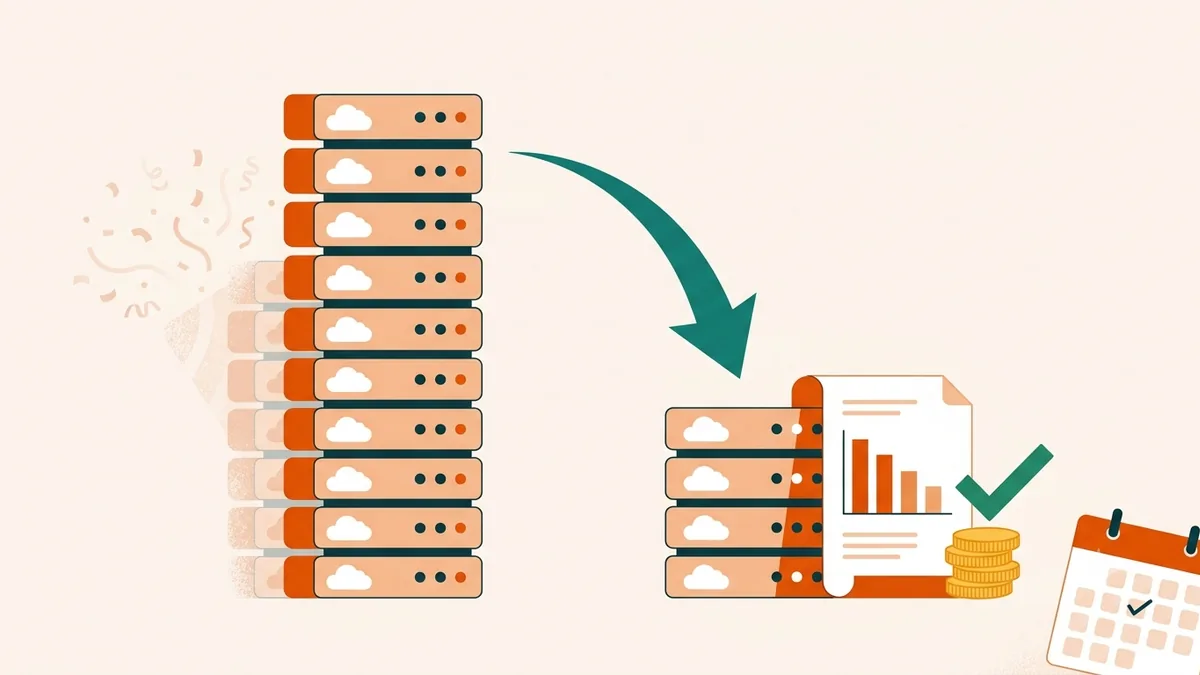
- Remove temporary replicas, larger instance sizes and raised autoscaling minimums.
- Check the bill a week later, in USD across every region you run in, and compare it with October.
- Keep what you learned. Your new load-test numbers are next year's capacity plan.
Peak-season readiness checklist
- Sale dates confirmed for every market you sell in.
- Load test run on real user journeys, at 2 to 3 times expected peak.
- Database connection pooling and a read replica in place.
- Hot data cached, with staggered expiry.
- Slow work moved to queues.
- Kill switches ready for non-essential features.
- Backup payment gateway live, with idempotent payments and an agreed switching rule.
- Rate limits confirmed with SMS, OTP and delivery partners.
- Feature freeze one week out, with rollback tested.
- Capacity pre-scaled before the sale opens.
- On-call cover for every time zone you sell in.
- Scale-down date in the calendar.
Is your platform peak-ready?
In a pre-peak review, we'll find what breaks first under load, plan payment failover for your markets and set a cloud budget for the surge and the scale-down after it.
About Vikram Malihan
Fractional CTO with 26+ years of experience building and scaling technology teams across multiple continents. Specializing in helping startups and scale-ups navigate technical challenges, from architecture decisions to team building and fundraising support.
Learn more about Vikram