MediaIndia3 Years

Short-Video Streaming App - India

How a short-video, live-streaming and coin-gifting app for Indian performers reached 1M+ downloads, with smooth playback on mobile networks and payouts to creators.

Indian short-video and creator-economy startup (name withheld)November 2026CTO
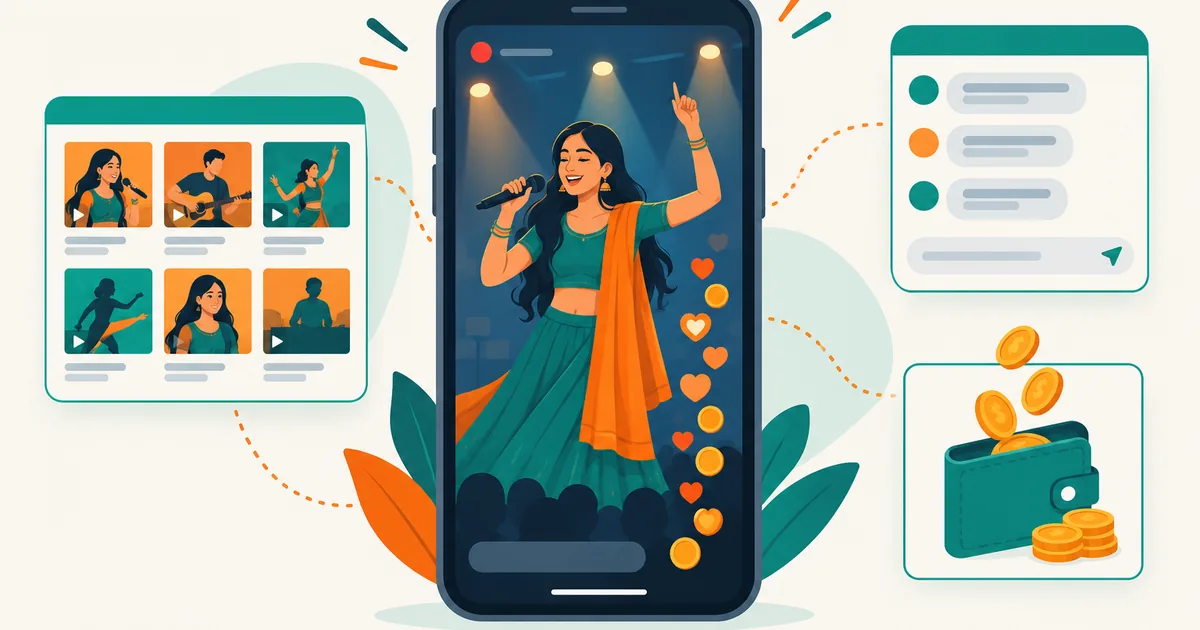
Short-video creator app with live streaming and virtual gifting on a smartphone

Overview

An Indian media startup wanted to give everyday performers a stage: a place to post short videos, go live, build an audience and earn from it. As CTO, I led the architecture and delivery of the short-video and live-streaming app with a creator economy, plus a B2B portal for booking artists.

Technologies Used

Flutter
One codebase for Android and iOS
Node.js
API services for app and portal
Next.js
B2B artist-booking portal
MongoDB
Videos, profiles and social data
MySQL (RDS)
Coins, wallets and payouts
AWS S3 + CloudFront CDN
Video storage and low-latency delivery
Adaptive video streaming
Quality that adapts to the network
Agora
Live broadcasts
Firebase
Authentication and messaging
Razorpay
Payments and creator payouts
New Relic + ELK
Monitoring and logs

The Challenge

The startup wanted to give everyday performers in India a stage: a place to post short videos, go live, build an audience and earn from it. That meant building far more than a video feed:

  • Video that plays smoothly on any network. Many users watch on mid-range Android phones over mobile data, where a fixed-quality video stalls.
  • Real-time features. Chat between users, and live broadcasts where creators talk to their audience as it happens.
  • A creator economy. Fans buy coins, gift them to videos and artists, and creators withdraw their earnings to a bank account. Every rupee in that loop has to be accurate and traceable.
  • A second business line. Event organisers needed a way to discover and hire the same artists for weddings, parties and corporate events.

All of this had to ship on Android and iOS with a startup-sized team and budget.
My Role

As CTO, I owned the technology end to end, from the first architecture diagram to releases in both app stores, leading a team of 10+ engineers.

  • Architecture: the mobile app, backend services, video pipeline, live streaming, wallet and payouts.
  • Technology choices: cross-platform Flutter, Agora for live video, the split between MongoDB and MySQL, and the AWS and GCP setup.
  • Team leadership: hiring, performance reviews, code quality and the delivery rhythm.
  • Product alignment: turning business goals (creator earnings, artist bookings) into a technical roadmap.
  • Delivery: release planning and handling high-pressure launches.

Architecture

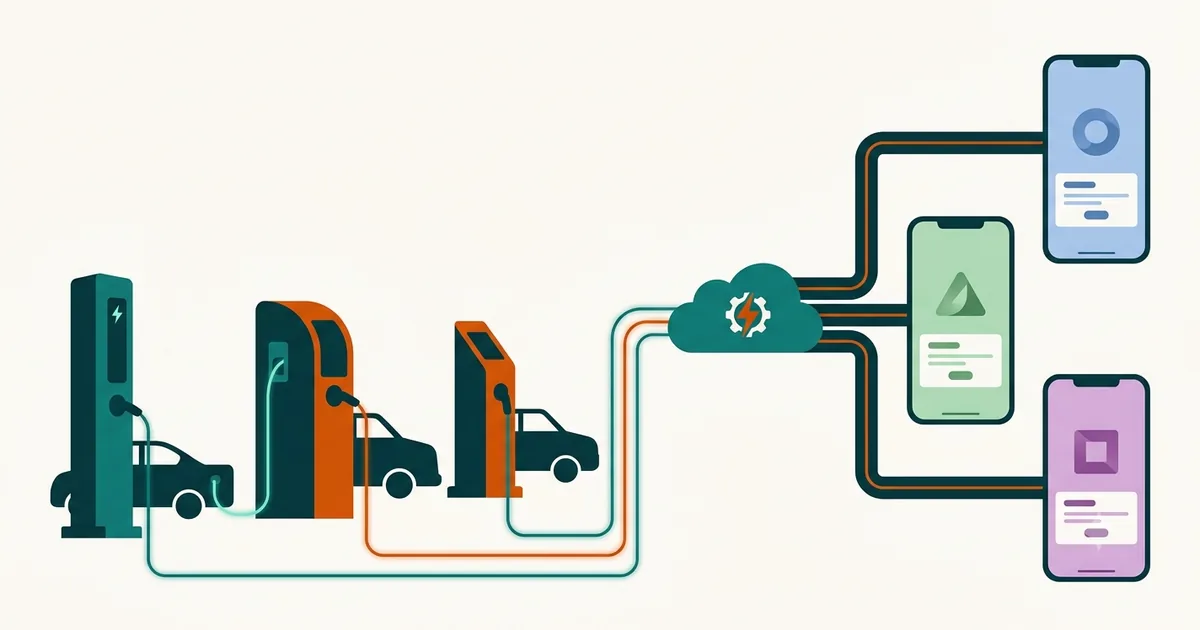
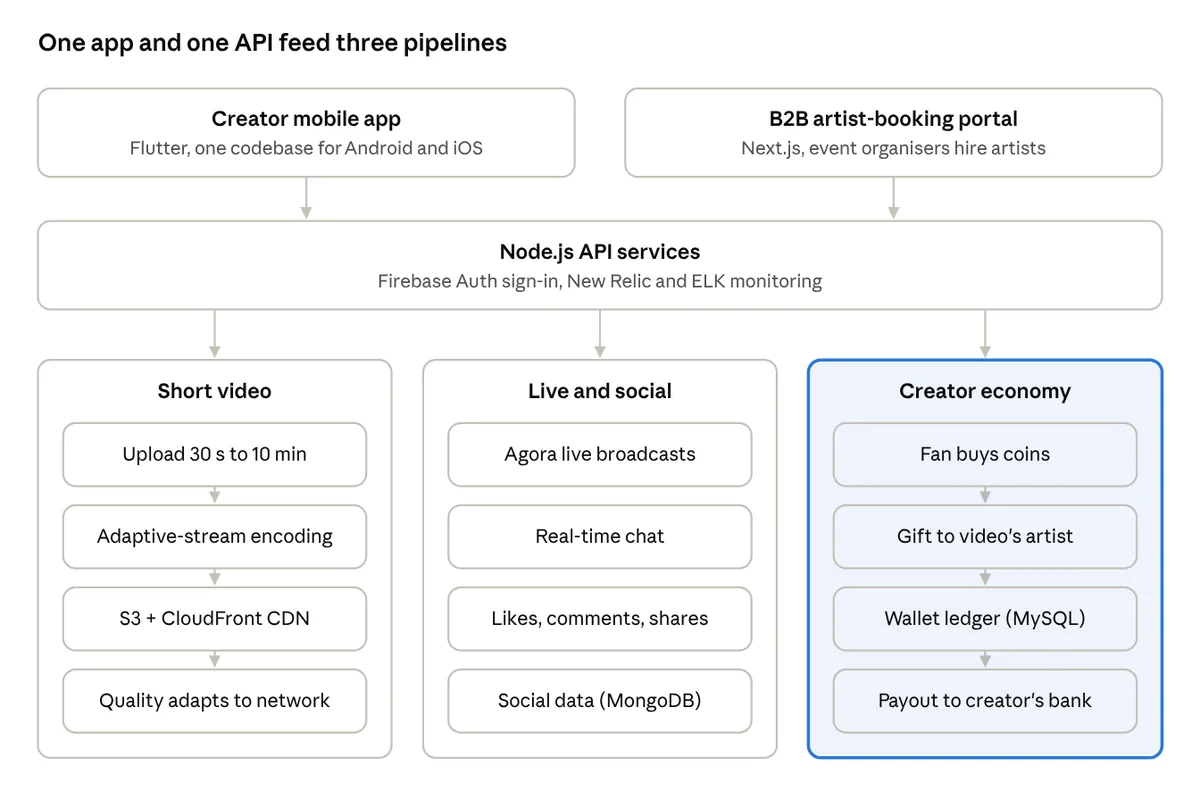
The platform was one cross-platform app and a web portal on a shared Node.js API, feeding three separate pipelines: short video, live and social, and the creator economy. Each pipeline could scale and change on its own, and money moved only through the MySQL ledger, never through the content database.

Architecture of a short-video app with adaptive streaming, live video and a coin wallet
  1. Short video that doesn't buffer

    Every upload, from 30 seconds to 10 minutes, was converted to an adaptive streaming format, stored on AWS S3 and delivered through the AWS CloudFront CDN. Serving video from edge locations close to viewers cut latency and buffering, and viewers on slow networks got a lower quality automatically, instead of a frozen screen.

  2. Live and social

    Agora handled live broadcasts with real-time audience interaction. Chat, likes, comments and shares ran on Node.js and MongoDB, with Firebase for authentication.

  3. A creator economy with a strict ledger

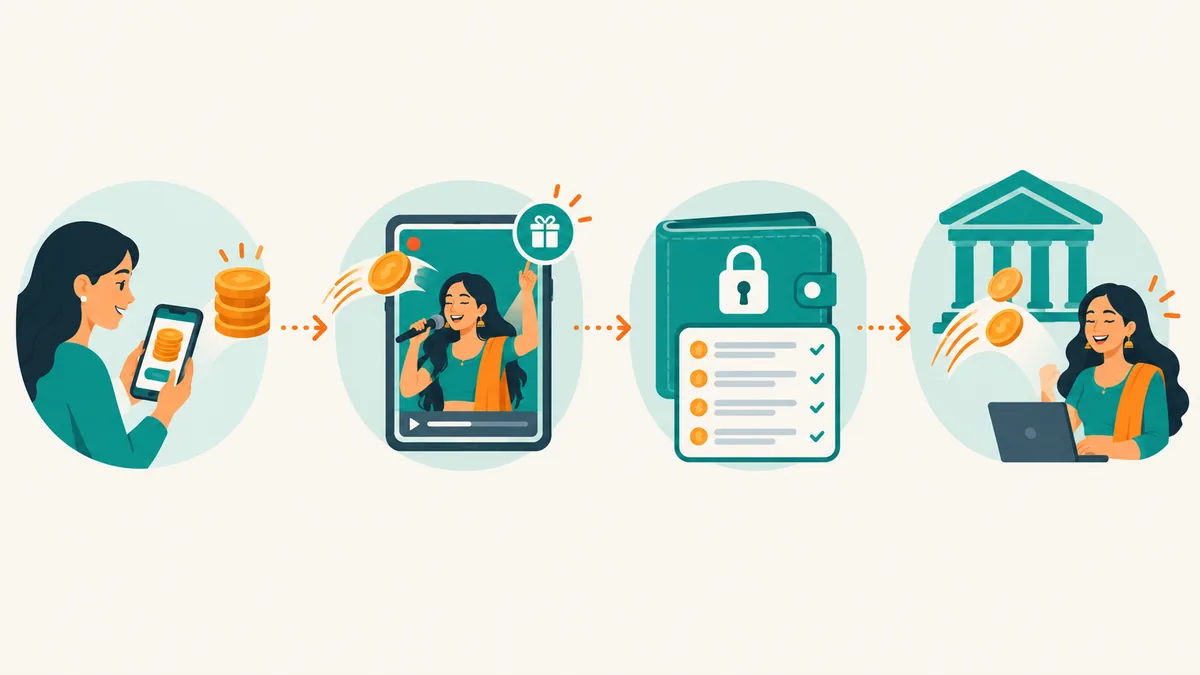
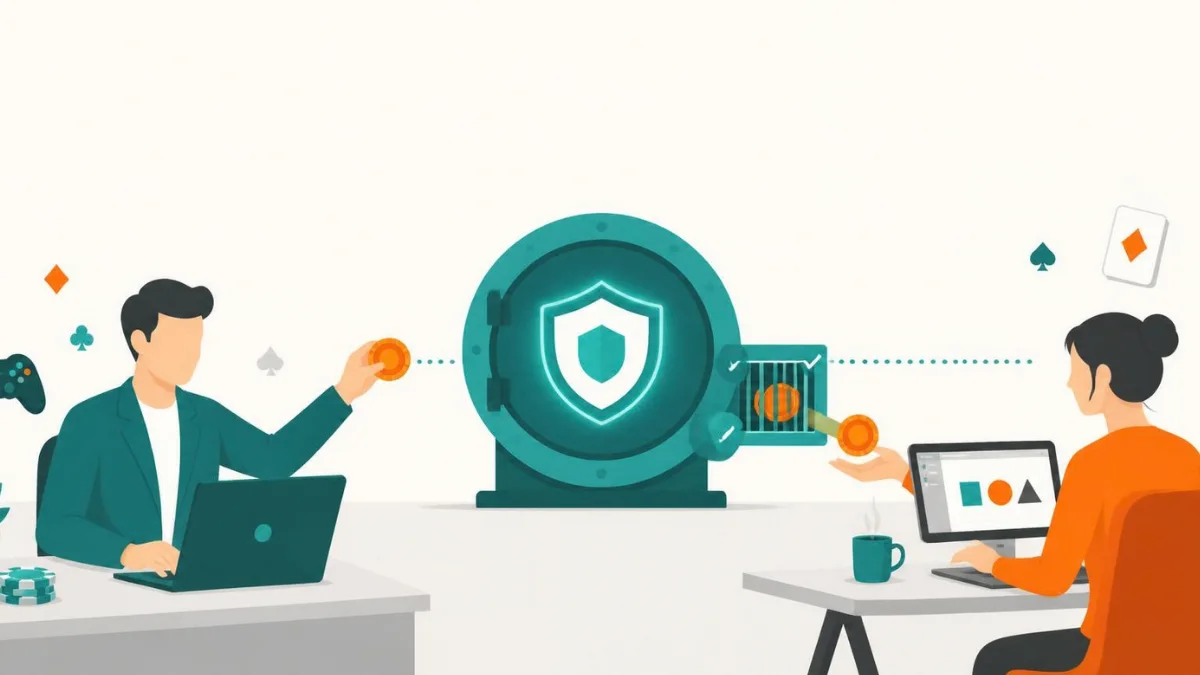
    Fans bought coins through the payment gateway, gifted them to videos or artists, and creators withdrew earnings to their bank account through payment-gateway payouts. Every coin movement was recorded in MySQL (RDS) to keep transactions accurate.

    Coin flow from a fan's purchase to a gift and the creator's bank payout
  4. From audience to paid bookings

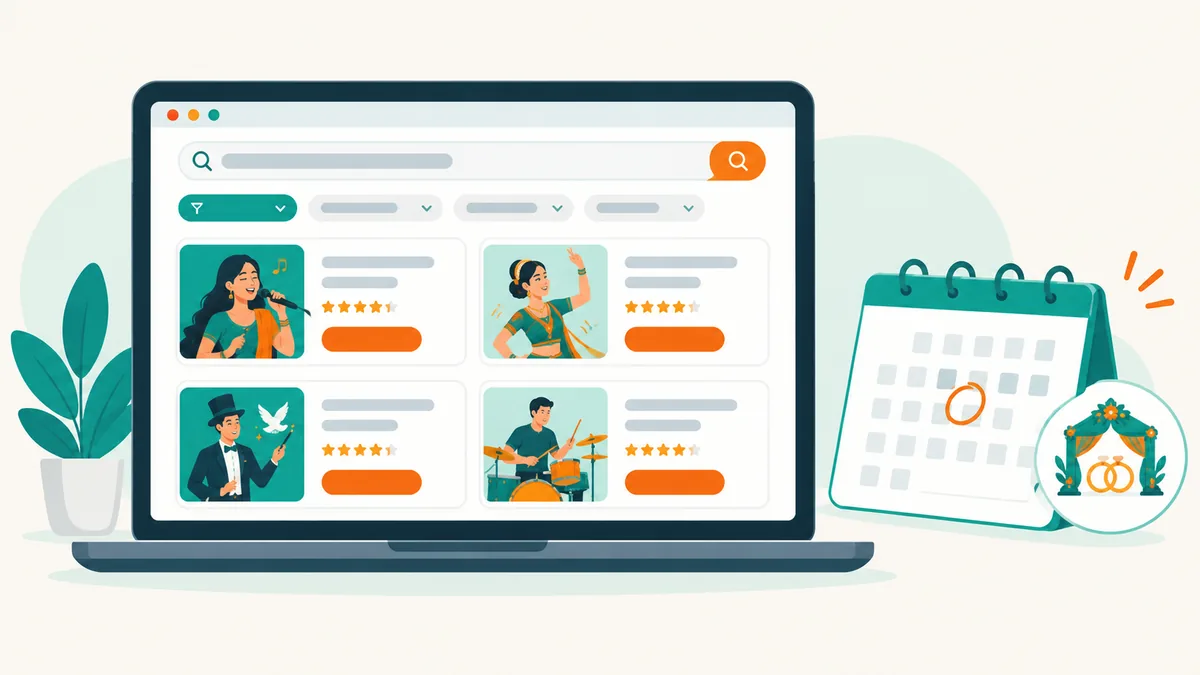
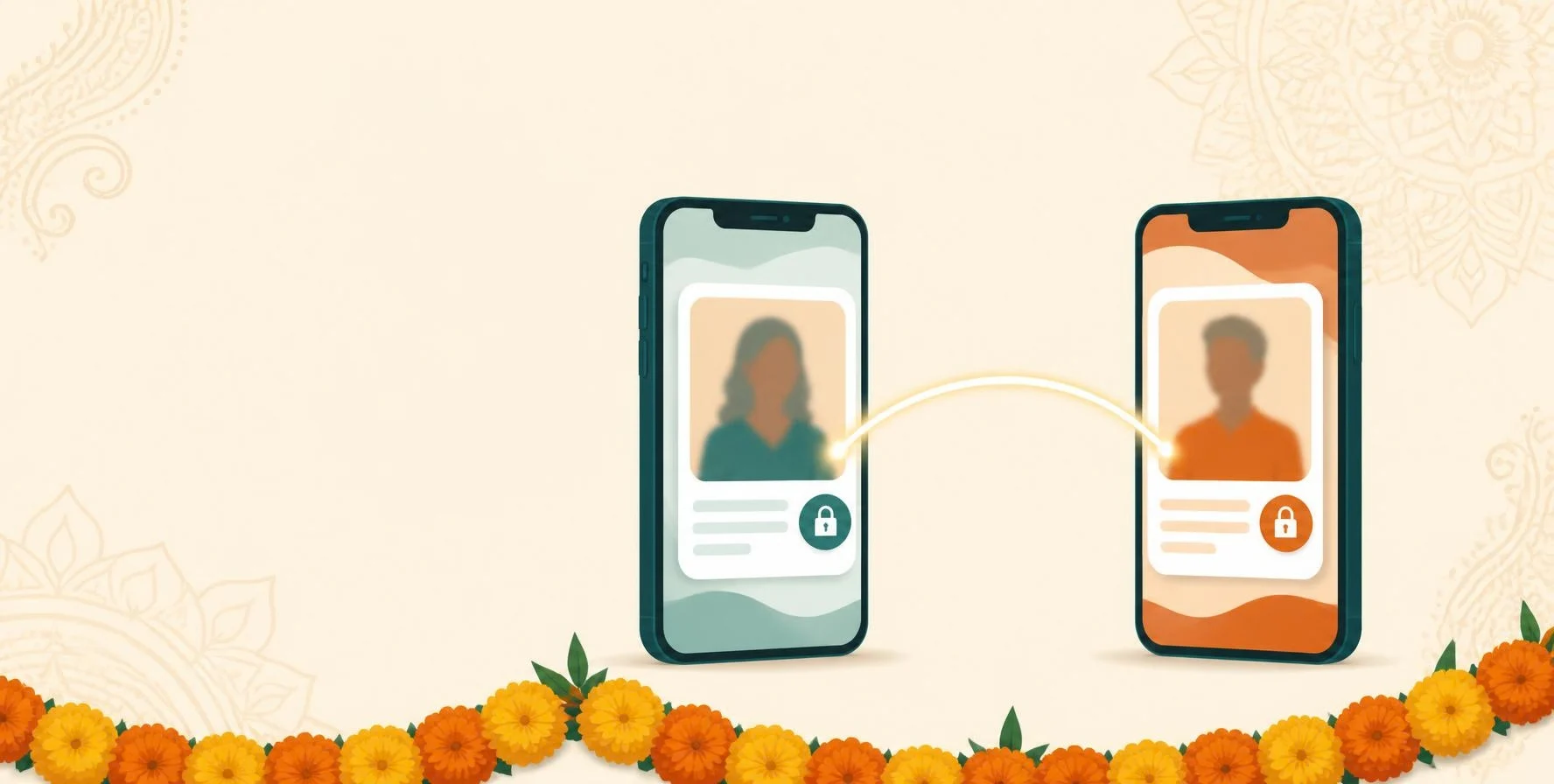
    A B2B portal built in Next.js with Razorpay payments let event organisers browse and hire musicians, dancers, magicians and other performers, linked to the artists' profiles in the main app.

    Illustrative mockup of a portal for booking artists for events
  5. Operations

    New Relic and the ELK stack for monitoring and logs, with Python used for machine-learning features.

Trade-offs We Made

DecisionWhat we gainedWhat we gave up
One Flutter codebase for Android and iOSOne team shipped both apps, so features reached all users at the same time.Some native performance and earliest access to new OS features.
Agora's managed real-time videoLow-latency live video from launch, without building and running our own media servers.Per-minute usage costs and some dependence on a vendor.
MongoDB for content, MySQL for moneyFlexible feeds and comments; strict transactions and an audit trail for coins and payouts.Running and syncing two databases.
Adaptive streaming on every upload, served through a CDNVideos keep playing on weak mobile networks instead of stalling.Extra processing time, storage and CDN cost per video.
AWS with GCP and Firebase alongsideFast auth and messaging from Firebase; storage and core services on AWS.More than one console and bill to manage.

What we deliberately did not do: build our own live-streaming servers or separate native apps. Both would have doubled the work before we knew which features users valued.

Results & Impact

The app passed 1 million downloads (10 lakh+) across Google Play and the App Store, and creators uploaded more than 200,000 videos (2 lakh+). It shipped on Android and iOS with short video, chat, live streaming, coin gifting and bank payouts, and the B2B artist-booking portal launched alongside it.

App downloads
1M+
Across Google Play and the App Store (10 lakh+)
Videos uploaded
200K+
By creators on the platform (2 lakh+)
On-time delivery
100%
Planned releases shipped on the committed date
Team productivity
+25%
After structured reviews and mentoring

Business Impact

1M+ downloads across Google Play and the App Store
200K+ videos uploaded by creators
Smooth playback on mobile networks with adaptive streaming and a CDN
Live broadcasts with real-time audience interaction
Creators earned through coin gifts and withdrew to their bank accounts
A second revenue line from paid artist bookings
Development time cut by 15% after the stack and architecture update

What I'd Do Differently

If I built it again, I would add a dedicated content-moderation pipeline and a wallet ledger with automated reconciliation from day one, rather than strengthening them as usage grew.

Where This Pattern Applies

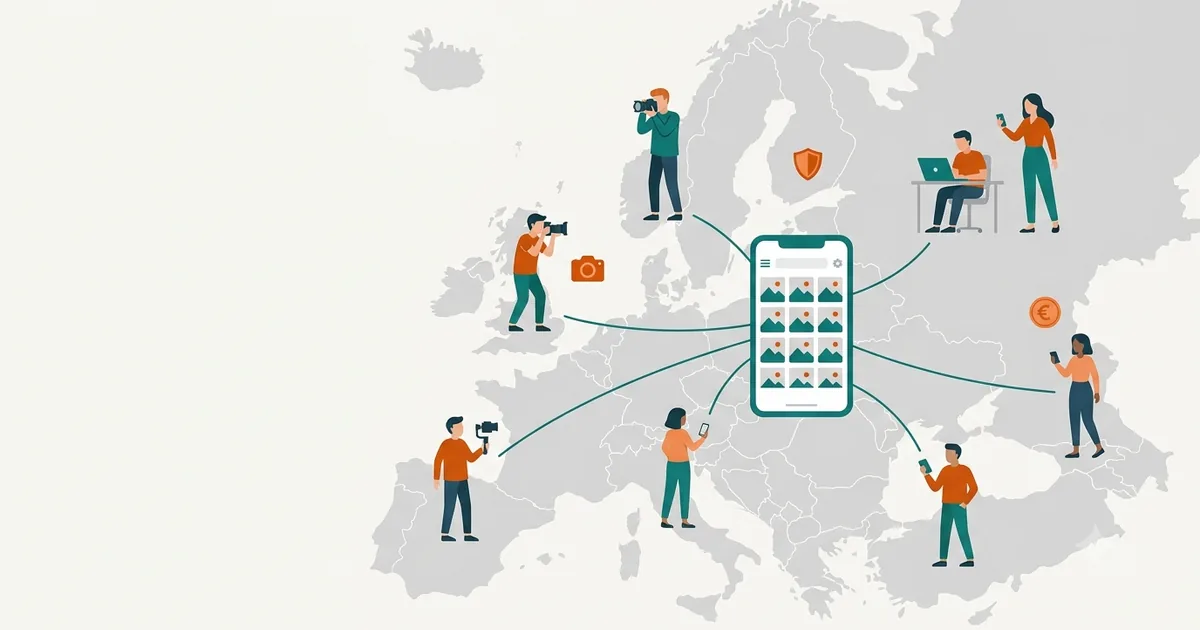
The same architecture fits creator and live-gifting apps far beyond India. What changes by region:

RegionWhat to plan for
EuropeGDPR consent and data rights, age checks for younger users, and content-moderation duties under the EU Digital Services Act.
Middle EastArabic RTL interface, local payment and payout methods, and content rules that are stricter than in most markets.
AfricaLow-cost Android phones and expensive data, so adaptive streaming and data-saver modes matter even more; mobile-money payouts such as M-Pesa.
IndiaUPI for coin purchases, bank payouts with KYC, and DPDP Act consent for user data.
South East AsiaSeveral languages in one app, local e-wallets for coin purchases, and live gifting that users already know from other apps.

Key Takeaways

Adaptive streaming and a CDN from the first upload, not as a later fix.
A managed live-video service until usage costs justify your own media servers.
A separate, strictly transactional ledger for coins, gifts and payouts.
Creator KYC before the first withdrawal.
One cross-platform codebase lets a small team ship Android and iOS together.

Building a Creator or Streaming App?

With 26+ years of building platforms, I help founders design creator, streaming and live-gifting apps: architecture, video costs and payouts, reviewed before you scale.